How Blown-In Insulation Helps Homeowners Save on Energy Bills

Are you searching for insulation contractors in Green Bay who install energy-efficient blown-in insulation?

Due to the region’s diverse climate, managing energy costs is essential for Green Bay residents. Blown-in insulation is an exceptional energy-saving solution that offers long-term benefits by improving your property’s energy efficiency.

Alpine Insulation, a trusted insulation contractor in Green Bay, offers expert blown-in insulation services to help residents cut costs and enhance comfort. By investing in the attic insulation Green Bay homes require, residents can reduce their energy consumption and create a more sustainable living environment.
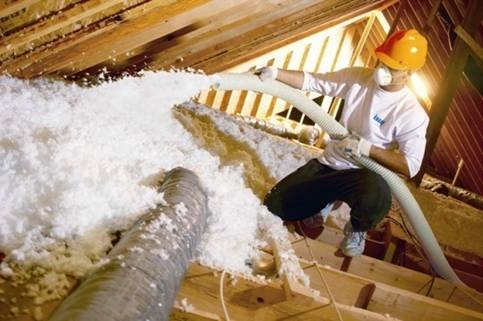
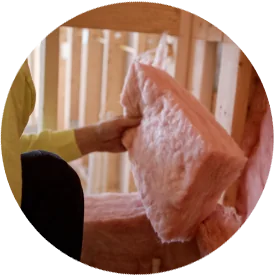
A technician installing loose-fill insulation in an attic

Why Choose Blown-In Insulation for Your Green Bay Home?

Blown-in insulation is a practical choice for those looking to lower their energy bills while maintaining a comfortable indoor environment. It effectively combats energy waste, which is especially critical in the area’s climate, where extreme temperature swings are common.

Our team has served the area with reliable and efficient insulation options for decades, ensuring customers receive tailored solutions. Our expertise makes us a preferred provider of insulation services, helping clients achieve greater energy efficiency.

How Blown-In Insulation Works

This type of insulation consists of small particles of insulating material, such as cellulose or fiberglass, that are blown into spaces using specialized equipment. This process allows the insulation to fill every gap, crack and hard-to-reach area in attics, walls and crawl spaces.

Unlike traditional insulation methods, blown-in insulation creates a seamless and airtight barrier, reducing the likelihood of heat transfer. Its ability to conform to irregular spaces makes it an ideal choice for comprehensive coverage, leading to improved energy efficiency for residents in Green Bay.

Benefits of Blown-In Insulation for Energy Savings

It excels at minimizing energy loss by preventing heat from escaping during the area’s harsh winters and keeping cool air contained during hot summer months.

By forming an effective thermal barrier, this insulation reduces the workload on heating and cooling systems, ultimately lowering utility bills. Properly installed energy-saving insulation in Green Bay ensures that you remain comfortable throughout the year with significantly reduced energy usage.

Blown-In Insulation for Home Comfort and Temperature Regulation

Achieving consistent indoor temperatures is key to a comfortable living environment. Blown-in insulation addresses issues like uneven heating, drafty areas and overheated spaces in summer. By eliminating these concerns, it creates a balanced and pleasant atmosphere, providing year-round comfort for clients.

The Environmental Benefits of Blown-In Insulation

Reducing energy consumption not only saves money but also helps the environment by reducing carbon emissions. Blown-in insulation enables residents to lower their ecological footprint by decreasing reliance on energy-intensive heating and cooling systems.

Alpine Insulation is committed to offering sustainable solutions for residents, making us an eco-friendly choice for insulation contractors in Green Bay.

Why Homeowners Choose Alpine Insulation for Blown-In Insulation

Alpine Insulation stands out for our dedication to quality and customer satisfaction. Our team of certified technicians delivers professional blown-in insulation services backed by years of local experience.

By choosing Alpine Insulation, Green Bay residents can count on precise insulation installations that maximize energy efficiency and minimize energy costs.

Trust Alpine Insulation

Blown-in insulation is a powerful tool for reducing energy bills, increasing indoor comfort and promoting environmental sustainability. With Alpine Insulation’s expertise in energy-saving insulation, you can rest assured you’re making the best choice for your Green Bay home.

Contact Alpine Insulation today to schedule a consultation or request an estimate for your blown-in insulation needs in Green Bay.
How Quality Insulation Adds Value to a New Construction Home

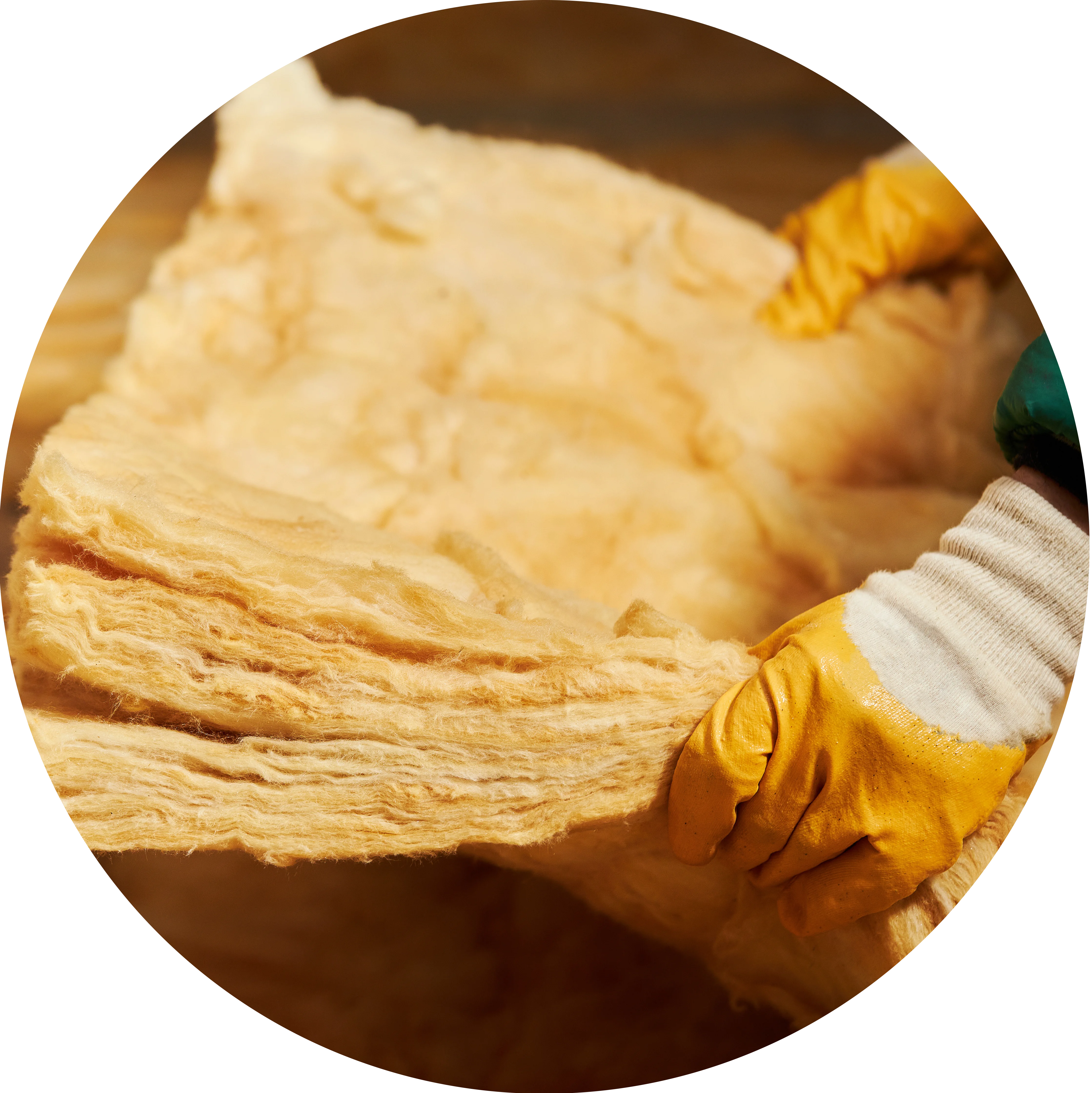
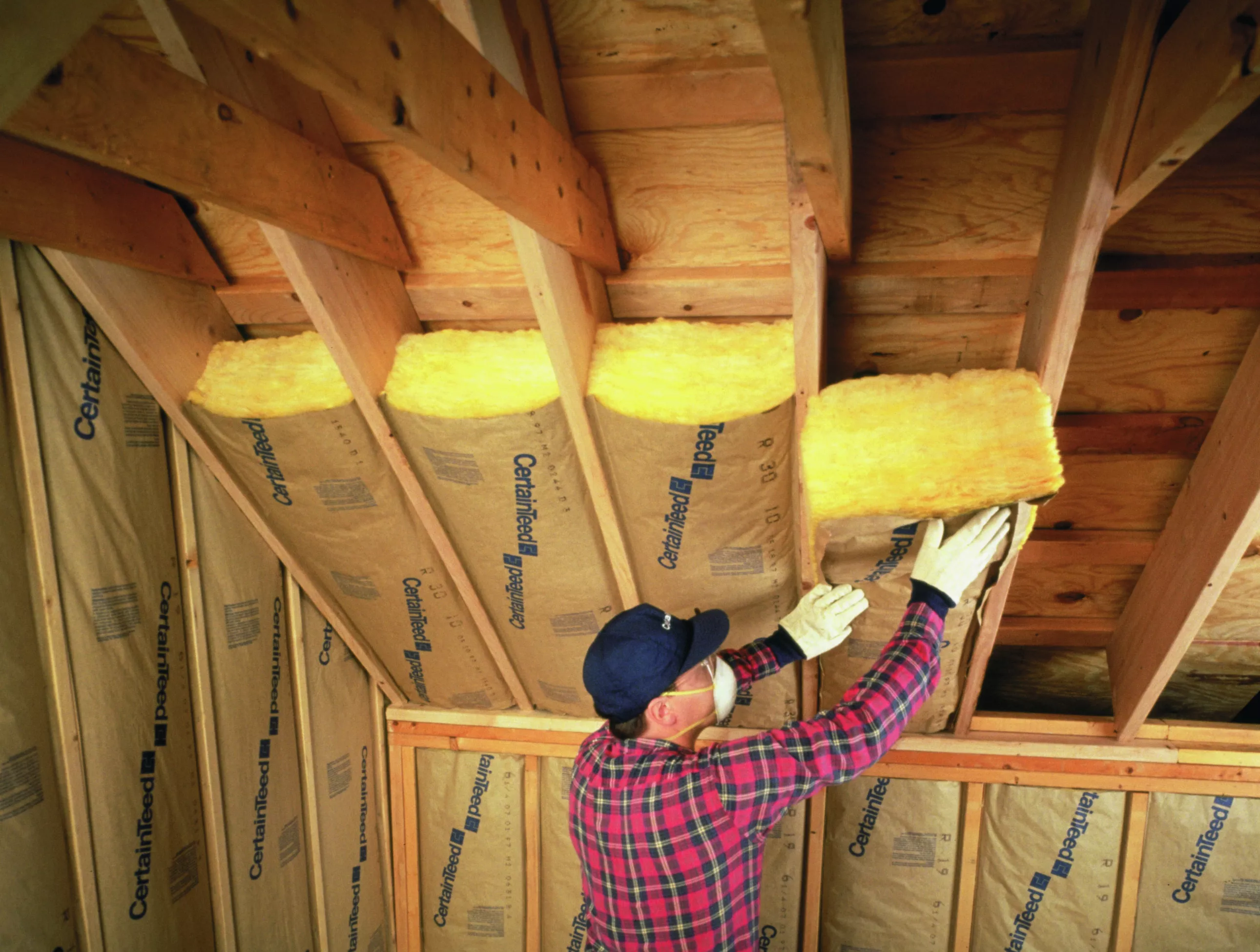
Fiberglass batt insulation being installed in an attic ceiling by a technician in a red plaid shirt.

As a homeowner, you want to make sure any improvements you make add value. Proper insulation can do that, especially in Wisconsin, where a well-insulated home is necessary to stay comfortable during the frigid winters.

In this blog post, the experts at Alpine Insulation discuss how ample insulation can make all the difference in your new construction home.

Benefits of Adding Adequate Insulation

Insulation slows the transfer of heat from warmer to cooler areas. It keeps the heat inside in the winter and the hot air outside in the summer.

Adding sufficient insulation to your Wisconsin home can provide these benefits:

  • Greater year-round comfort
  • Reduced energy usage
  • Lower heating and cooling costs
  • Improved air quality
  • Longer HVAC service life
  • Better humidity control
  • A higher selling price
  • Less time on the market

Failure to add enough insulation to your home can make it feel drafty and uncomfortable. Over time, insufficient insulation will lead to higher HVAC and energy costs. That’s why we recommend installing professional insulation before moving into your new home.

Why Buyers Look for Well-Insulated Homes

If you ever sell your home, you may look for ways to increase its value before putting it on the market. New insulation is often a top selling point for potential buyers. A well-insulated home translates to less energy use, longer-lasting HVAC systems, healthier air quality and a quieter, more comfortable home.

Remember that it’s much more difficult to add insulation once the builder finishes your home. While retrofit insulation is an option, it’s best to insulate your property from the beginning. Doing so may also attract more buyers.

Importance of Adding Insulation During the Construction Phase

Unfortunately, retrofitting insulation in an existing home usually isn’t enough to achieve lasting performance and efficiency because the insulation is part of a larger system. For the greatest efficiency and lowest energy costs, the builder must add air-sealed insulation and vapor barriers during construction to create a tight thermal envelope.

It’s critical to achieve a continuous vapor barrier during the build phase instead of waiting until the home is finished. Consider talking to the builder about the insulation options for your new home.

Insulation Services for Homeowners & Residential Construction

At Alpine Insulation, we can provide the services you need to ensure your home is built to meet the latest insulation standards for new construction. We offer high-quality insulation products for every application, including:

Alpine Insulation is Wisconsin’s choice for home insulation services. With over 40 years in business, you can count on us time and time again. And, as a member of the Installed Building Products Family of Companies, we have the backing and support of the nation’s second-largest insulation installer.

Contact Alpine Insulation today to schedule insulation service in Wisconsin.

You Might Also Be Interested In:

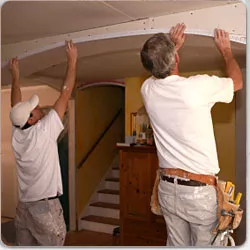
Does Drywall Help Insulate Your Building?

Drywall Repair in Sheboygan, Milwaukee and MadisonWhen most people hear the word “insulation,” they think of materials like fiberglass or spray foam. But did you know other materials can also help keep your building energy-efficient and comfortable?

Here’s how drywall works with insulation to maximize a building’s thermal performance.

Does Drywall Help Insulate Interior Spaces?

The short answer is yes. While drywall is a material used to construct a building’s interior walls, it can boost insulation’s effects. It should be said, however, that drywall’s primary function is not to insulate.

Also called gypsum or plasterboard, drywall’s primary function is to provide a smooth and durable surface for painting. Yet, while its primary purpose may be structural and aesthetic, the composition of drywall does help insulate homes and buildings, albeit only minimally.

Drywall R-Value And Ability To Stop Heat Transfer

Drywall includes a layer of gypsum sandwiched between sheets of paper. Properly installed, it acts to some extent as a natural insulator that reduces heat transfer, creating a more comfortable indoor environment.

In truth, all building materials offer a degree of R-value or heat flow resistance. How effective they are depends on their relative value. For instance, drywall has an R-value of about 0.5 (for its half-inch thickness). Insulation that fills a 4-inch thick wall cavity, on the other hand, increases the R-value to about 15.

While drywall can help minimally stop heat transfer, it doesn’t eliminate the need for the same amount of insulation you would need without it. However, drywall combined with insulation can be very effective.

Benefits of Insulating the Drywall in Your Building

Even though drywall doesn’t qualify as insulation, it does provide multiple benefits that help manage and control heat transfer. Insulating the walls between rooms can help:

  1. Reduce air infiltration and drafts between interior and exterior environments.
  2. Offer some degree of thermal resistance due to its gypsum and paper composition.
  3. Improve energy efficiency, particularly in exterior walls. The higher the R-value of a building’s outer envelope, the more you can keep heated and cooled air inside, reducing energy bills.
  4. Dampen sound transfer, muffling traffic and construction noise from outside, or reducing interior noise like a child practicing a musical instrument or playing loud video games.
  5. Slow a fire’s spread due to new fire-rated options. Fire-resistant insulation is a must in some situations, including between “party walls” or walls that separate apartment units and duplexes.

What Type of Insulation Should Be Installed Behind Drywall?

Which insulation to install behind drywall depends on multiple factors, including climate, budget and unique insulation requirements. Top choices include:

  • Fiberglass batts: These are available in standard widths designed to fit snugly between wall studs, floor joists or ceiling rafters.
  • Expandable spray foam: This provides superior R-value ratings per inch of thickness.
  • Loose-fill cellulose: This is a versatile choice for insulating attics, walls and other hard-to-reach places.

A professional insulation contractor can assess your specific needs and provide expert guidance in choosing the right option for your building.

Choose Alpine Insulation for Drywall Installation & Insulation in Wisconsin

When you need an expert drywall installation and insulation contractor you can count on, look no further than Alpine Insulation. As a member of the Installed Building Products (IBP) Family of Companies, we’re the most trusted experts in insulation for southern Wisconsin and northern Illinois property owners.

Call (920) 458-8188 to schedule an appointment or learn more about our reliable insulation and drywall installations.

What R-Value Do I Need in My Home?

Insulation and Drywall Services in Racine

Let R-Values Guide You as You Choose Residential Insulation

Considering how cold the winters are in Wisconsin, it is crucial to have the proper amount of insulation in your home. This can be represented by the insulation’s R-value, and higher is typically better. The ideal R-value will vary by the area of the home you are insulating and your geographical region.

What Does R-Value Mean?

The R-value of insulation refers to its resistance to the conduction of heat. Higher R-values mean the insulation resists the flow of heat better and it will be a more effective insulating material. The R-value of insulation will vary by the type of material, and the total R-value you need depends on what part of your home you are insulating.

Here are the typical R-values for the most common insulation products:

  • Fiberglass batts: Made from glass fibers formed into a blanket or batt, fiberglass batts offer good thermal performance with an R-value ranging from R-3.8 to R-4.3 per inch of installed material.
  • Blown-in fiberglass: Installed in attics or small openings in a finished wall, blown-in fiberglass offers R-values from R-2.3 to R-3.8 per inch and is ideal for existing homes that need more insulation.
  • Cellulose: Another blown-in insulation, cellulose is made mostly from recycled newspaper treated to resist fire and pests. It offers R-values from R-3.1 to R-3.8 of installed thickness, and because it fills the wall cavity completely, it provides good air sealing, as well.
  • Mineral wool: Available in batts, mineral wool insulation (often called Rockwool) is made from spun rock fibers that are naturally resistant to fire, mold and pests. It offers R-values of R-3.3 to R-4.2 per inch of thickness and performs similar to fiberglass.
  • Spray foam: A liquid that expands and hardens after it is sprayed, spray foam offers excellent insulation and air sealing in one product, and the closed-cell variety is also water-resistant. With R-values ranging from R-4.6 to R-6.5 per inch, it is ideal for fitting high amounts of insulation in a limited space.
  • Rigid foam: Extruded or expanded foam that is formed into sheets, rigid foam offers excellent thermal performance with R-values ranging from R-3.6 to R-8.0 per inch depending on type and installation method.

What R-Value Do I Need?

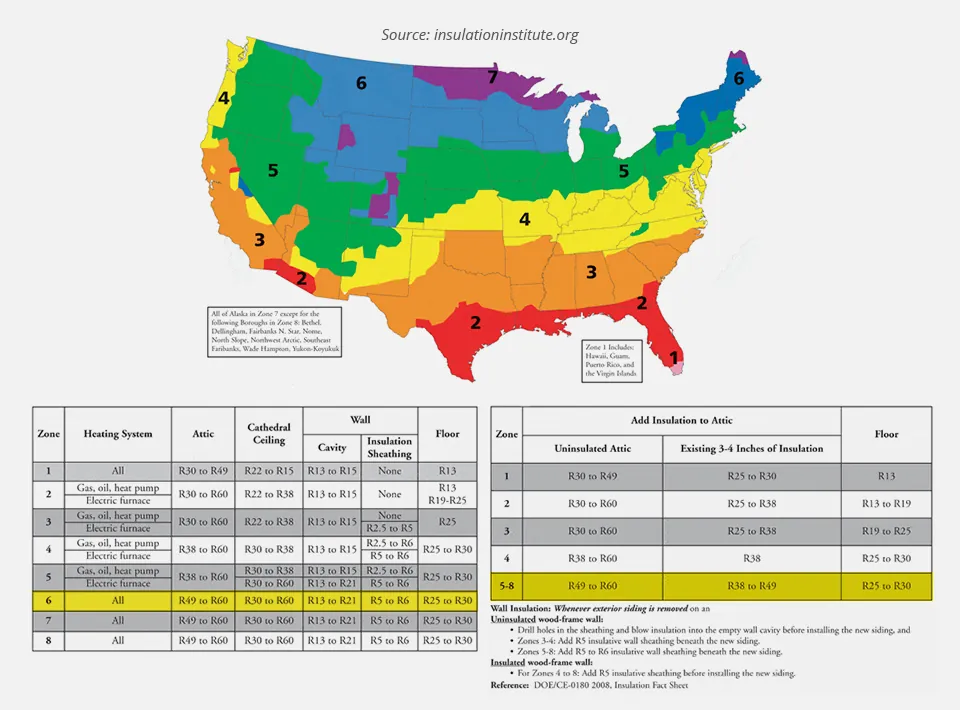
All but the most northern parts of Wisconsin are classified as climate zone 6, including Milwaukee, Madison, Waukesha and nearby areas. This means that according to the U.S. Department of Energy, for the best performance, homes in this region will need the following amounts of insulation in each area:

Northern Wisconsin is in climate zone 7 and requires similar amounts of insulation as zone 6. Northern Illinois is in climate zone 5 and will require a minimum of R-38 and up to R-60 in the attic, but otherwise, the values are similar to zone 6.

It is rarely worth the extra investment to go above these recommendations. If you are unsure of the R-value of your current insulation, measure its thickness and multiply it by the R-value per inch for the appropriate material.

Insulation R-value requirements in the United States

Click the graphic to view R-value requirements in the US

Insulation Services in Wisconsin and Northern Illinois

Do you need more insulation for your Wisconsin or Illinois home? Talk to our experts at Alpine Insulation to find out. We serve homeowners in southern and central Wisconsin, as well as northern Illinois.

We install all common residential and commercial insulation types, including spray foam, fiberglass, cellulose, Rockwool, and more. With over 40 years of experience and a reputation for quality, you can expect professional, energy-efficient results.

Call us today at (920) 458-8188 or contact us online to request a quote for insulation services in Wisconsin or northern Illinois!