
What Are the Differences Between Drywall & Plaster?

White couch against white drywall. Light wood floors, and small metal table in front of couch.If you’re renovating or building a home, one of the key decisions you’ll have to make is choosing between drywall and plaster for your walls and ceilings.

Both options have their own advantages and disadvantages, and understanding the differences can help you make the most informed decision for your property.

In this blog post, the building experts at Alpine Insulation discuss the key differences between drywall and plaster, providing the pros and cons of each so you can decide what’s best for your needs.

Drywall: What It Is & Common Uses

Drywall — also referred to as gypsum board, sheetrock, cement board or wallboard — is a popular building material most commonly used in interior walls and ceilings.

Composed of gypsum plaster sandwiched between two layers of paper, drywall is manufactured in large sheets and is relatively easy to install, making it the preferred choice for most construction projects.

Compared to plaster, drywall is softer and therefore less prone to cracking; however, it’s less dense, which results in a lower R-value. With a rating of approximately R-0.5 per half-inch, drywall might not be great for those seeking robust soundproofing.

However, drywall is still suitable for preventing sound from carrying between rooms in your home and can be installed in bedrooms, living rooms, kitchens and bathrooms.

Plaster: What It Is & Common Uses

A time-honored material that’s been used in home construction since the late 1700s, plaster is typically created from cement, sand, water and minerals. Modern-day plaster formulas may also include gypsum or other additives.

Unlike drywall, plaster is applied in layers rather than manufactured in sheets, requiring a skilled contractor to ensure it’s installed smoothly and evenly.

Boasting a sound transmission class rating 52% higher than gypsum, plaster has an R-value that’s roughly twice that of drywall, making it a better insulator. While plaster shouldn’t replace traditional insulation materials, it adds a boost to both insulation and air sealing.

If soundproofing is a concern for your property, pick plaster over drywall — it’s much more capable of reducing noise transfer.

Benefits of Drywall

With so many benefits in plaster’s favor, you may be wondering why anyone chooses drywall for their construction projects. The answer lies in your project’s specific needs.

Drywall may be the preferred option if:

  • You want quicker project completion, since drywall doesn’t take as long to install.
  • You’re not worried about gaps.
  • You’re not a fan of the echo that plaster can produce and want to minimize indoor sound carriage.
  • You’re designing a retail store that requires frequent redesigns.
  • You’re committed to performing routine maintenance.

Benefits of Plaster

For most other projects, plaster is typically the preferred material. You may want to consider plaster for your project if:

  • You live with children or pets and are concerned about the longevity of your walls.
  • You plan to install trowel finishes or bull-nose effects.
  • You’re concerned about fire safety.
  • You’re looking to incorporate decorative or handmade finishes.
  • You want a low-maintenance solution.

Choose Alpine Insulation for Your Drywall & Plaster Needs

Whether you’re looking to install plaster or drywall for your construction project, Alpine Insulation offers the comprehensive solutions you need to ensure lasting structural integrity for your property.

With over 40 years of service experience and a deep commitment to your complete satisfaction, we’re confident we can deliver unsurpassed durability and strength in every project.

Contact our team to request drywall or plaster installation with Alpine Insulation today.
Does Drywall Help Insulate Your Building?

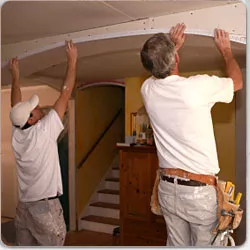
Drywall Repair in Sheboygan, Milwaukee and MadisonWhen most people hear the word “insulation,” they think of materials like fiberglass or spray foam. But did you know other materials can also help keep your building energy-efficient and comfortable?

Here’s how drywall works with insulation to maximize a building’s thermal performance.

Does Drywall Help Insulate Interior Spaces?

The short answer is yes. While drywall is a material used to construct a building’s interior walls, it can boost insulation’s effects. It should be said, however, that drywall’s primary function is not to insulate.

Also called gypsum or plasterboard, drywall’s primary function is to provide a smooth and durable surface for painting. Yet, while its primary purpose may be structural and aesthetic, the composition of drywall does help insulate homes and buildings, albeit only minimally.

Drywall R-Value And Ability To Stop Heat Transfer

Drywall includes a layer of gypsum sandwiched between sheets of paper. Properly installed, it acts to some extent as a natural insulator that reduces heat transfer, creating a more comfortable indoor environment.

In truth, all building materials offer a degree of R-value or heat flow resistance. How effective they are depends on their relative value. For instance, drywall has an R-value of about 0.5 (for its half-inch thickness). Insulation that fills a 4-inch thick wall cavity, on the other hand, increases the R-value to about 15.

While drywall can help minimally stop heat transfer, it doesn’t eliminate the need for the same amount of insulation you would need without it. However, drywall combined with insulation can be very effective.

Benefits of Insulating the Drywall in Your Building

Even though drywall doesn’t qualify as insulation, it does provide multiple benefits that help manage and control heat transfer. Insulating the walls between rooms can help:

  1. Reduce air infiltration and drafts between interior and exterior environments.
  2. Offer some degree of thermal resistance due to its gypsum and paper composition.
  3. Improve energy efficiency, particularly in exterior walls. The higher the R-value of a building’s outer envelope, the more you can keep heated and cooled air inside, reducing energy bills.
  4. Dampen sound transfer, muffling traffic and construction noise from outside, or reducing interior noise like a child practicing a musical instrument or playing loud video games.
  5. Slow a fire’s spread due to new fire-rated options. Fire-resistant insulation is a must in some situations, including between “party walls” or walls that separate apartment units and duplexes.

What Type of Insulation Should Be Installed Behind Drywall?

Which insulation to install behind drywall depends on multiple factors, including climate, budget and unique insulation requirements. Top choices include:

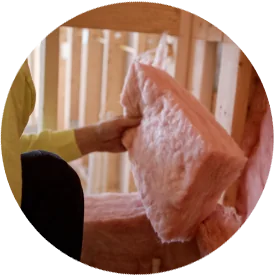
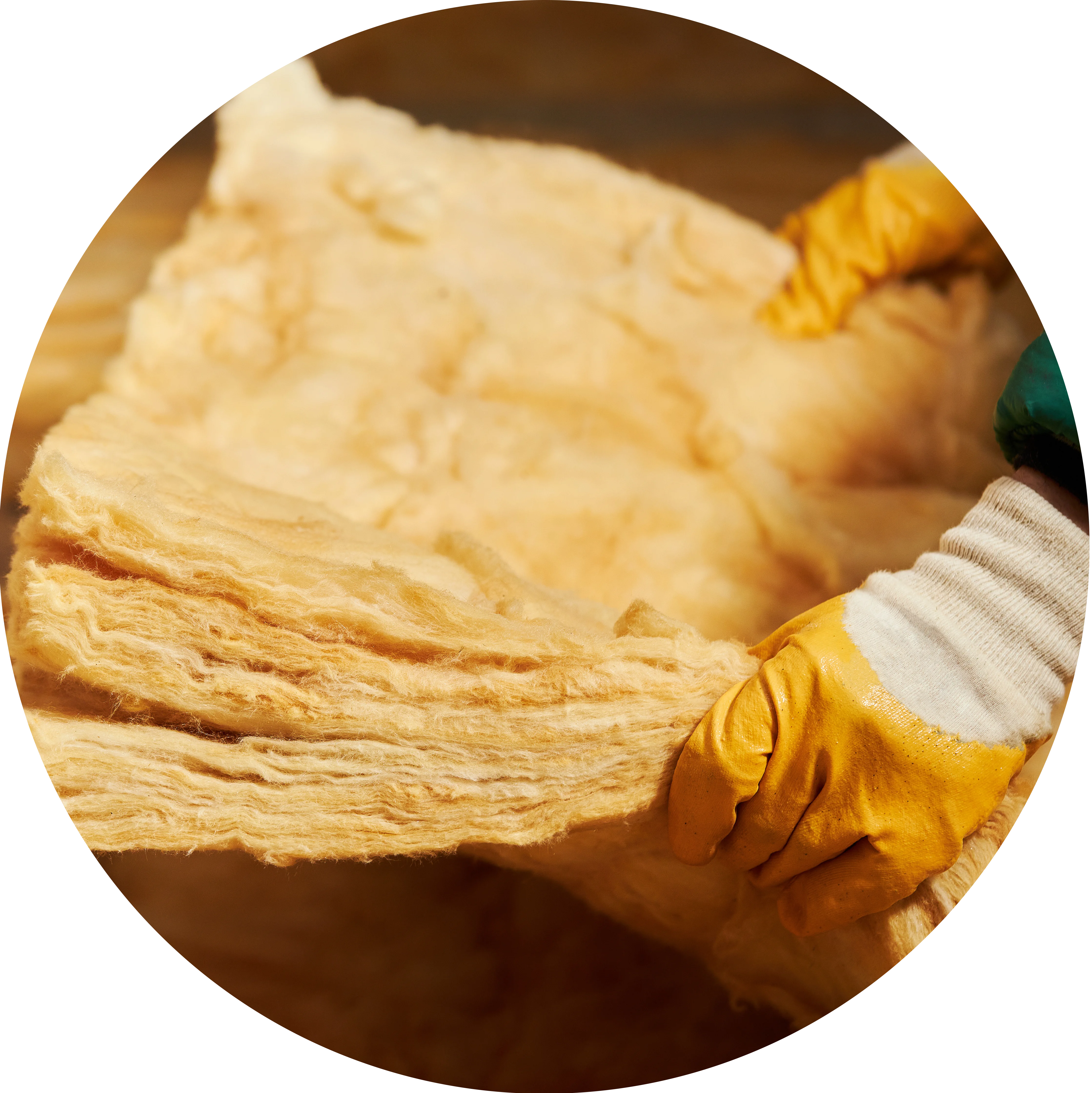
  • Fiberglass batts: These are available in standard widths designed to fit snugly between wall studs, floor joists or ceiling rafters.
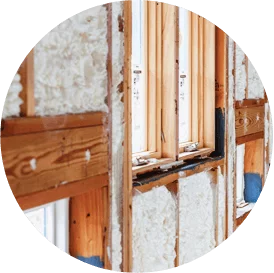
  • Expandable spray foam: This provides superior R-value ratings per inch of thickness.
  • Loose-fill cellulose: This is a versatile choice for insulating attics, walls and other hard-to-reach places.

A professional insulation contractor can assess your specific needs and provide expert guidance in choosing the right option for your building.

Choose Alpine Insulation for Drywall Installation & Insulation in Wisconsin

When you need an expert drywall installation and insulation contractor you can count on, look no further than Alpine Insulation. As a member of the Installed Building Products (IBP) Family of Companies, we’re the most trusted experts in insulation for southern Wisconsin and northern Illinois property owners.

Call (920) 458-8188 to schedule an appointment or learn more about our reliable insulation and drywall installations.