Is Exposed Insulation Dangerous?

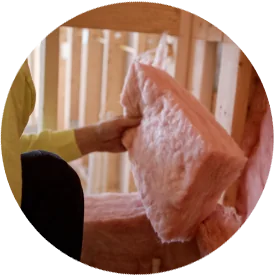
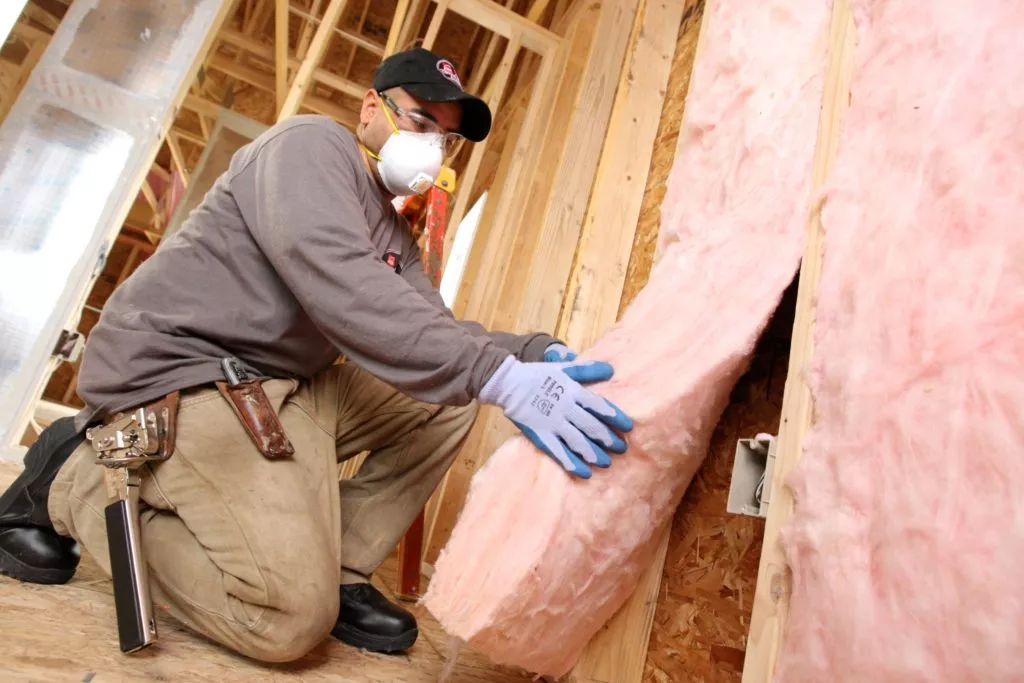
Technician wearing white facemask, kneeling on floor, installing pink fiberglass batt insulation in a wall.

There are likely many kinds of insulation in your Wisconsin home, and they’re an important part of your home’s ecosystem. Fiberglass insulation is the most common type and, depending on certain circumstances, could be dangerous. There are many considerations for your health and safety to keep in mind when dealing with exposed insulation.

In this blog, the experienced insulation contractors at Alpine Insulation explain the risks of exposed insulation and what to do if you find it in your home.

The Safety Risks of Uncovered or Exposed Insulation

If undisturbed, exposed insulation poses very little health or safety risk. For example, your attic or unfinished basement may have exposed insulation because you’re not spending time there. If you find exposed insulation in other areas, however, it could pose risks.

Fiberglass insulation is made of molten glass spun or blown into fibers. There are several risks to exposing yourself to fiberglass insulation.

Some potential risks of exposed or uncovered insulation include:

  • Skin irritation: Touching exposed insulation can send particles in the air, irritating your skin.
  • Eye irritation: Fiberglass particles can also irritate your eyes.
  • Lung irritation: Breathing in fiberglass insulation is dangerous because it can cause respiratory issues.
  • Not child-proof: Children may try to touch or play with fiberglass insulation, which is dangerous for the above reasons.

I Found Exposed Insulation in My Home — Now What?

If you have damaged drywall in any rooms of your home, you may be exposing yourself to fiberglass insulation. In this situation, the best thing to do is to call a reputable company to repair the problem immediately.

Expert insulation technicians have the tools, safety gear and experience to deal with exposed insulation. DIY repairs are not recommended.

Some ways to repair exposed insulation include:

  • Repairing or installing drywall paneling over the insulation
  • Sealing the insulation using a poly membrane sheet.
  • Installing or repairing flooring if the insulation is coming through the floor.

Expert Insulation Contractors in Wisconsin

Alpine Insulation can help you with your exposed or uncovered insulation problems in central or southern Wisconsin. We can also remove insulation and replace it with newer, more efficient insulation.

We have handled thousands of insulation projects throughout the state over the past 40 years, and we’re happy to help you stay safe from dangerous fiberglass fibers.

Worried about exposed insulation? Call (920) 458-8188 today for more information

Which Insulation Is Best for Stud Walls?

Upgrading or replacing the insulation in your home is a great way to make your home more energy-efficient, achieve a quieter indoor space and maintain your indoor comfort year-round.

If you’re replacing or upgrading the insulation in your stud walls, it’s important to work with an experienced and trusted insulation specialist to help you make the best decision for your project.

In this blog, the expert insulation contractors at Alpine Insulation discuss the best insulation options for stud walls and what to do when re-insulating existing stud walls or putting up new stud walls in your home.

Which Insulation Is Best for Stud Walls?

Stud walls typically have a different thickness than exterior or load-bearing walls, and the cavities inside stud walls can be difficult to insulate effectively. If you want to add, replace or install insulation in your stud walls, it can be difficult to choose the best insulation for your needs and budget.

For new and existing stud walls, we recommend these types of insulation:

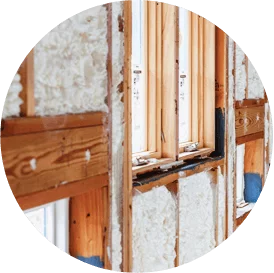
  • Spray foam: Spray foam is applied as a liquid and then expands. It offers superior, full coverage by blowing insulation into open stud cavities with specialized equipment through holes drilled on the exterior of the home or pouring material in through upper access points.
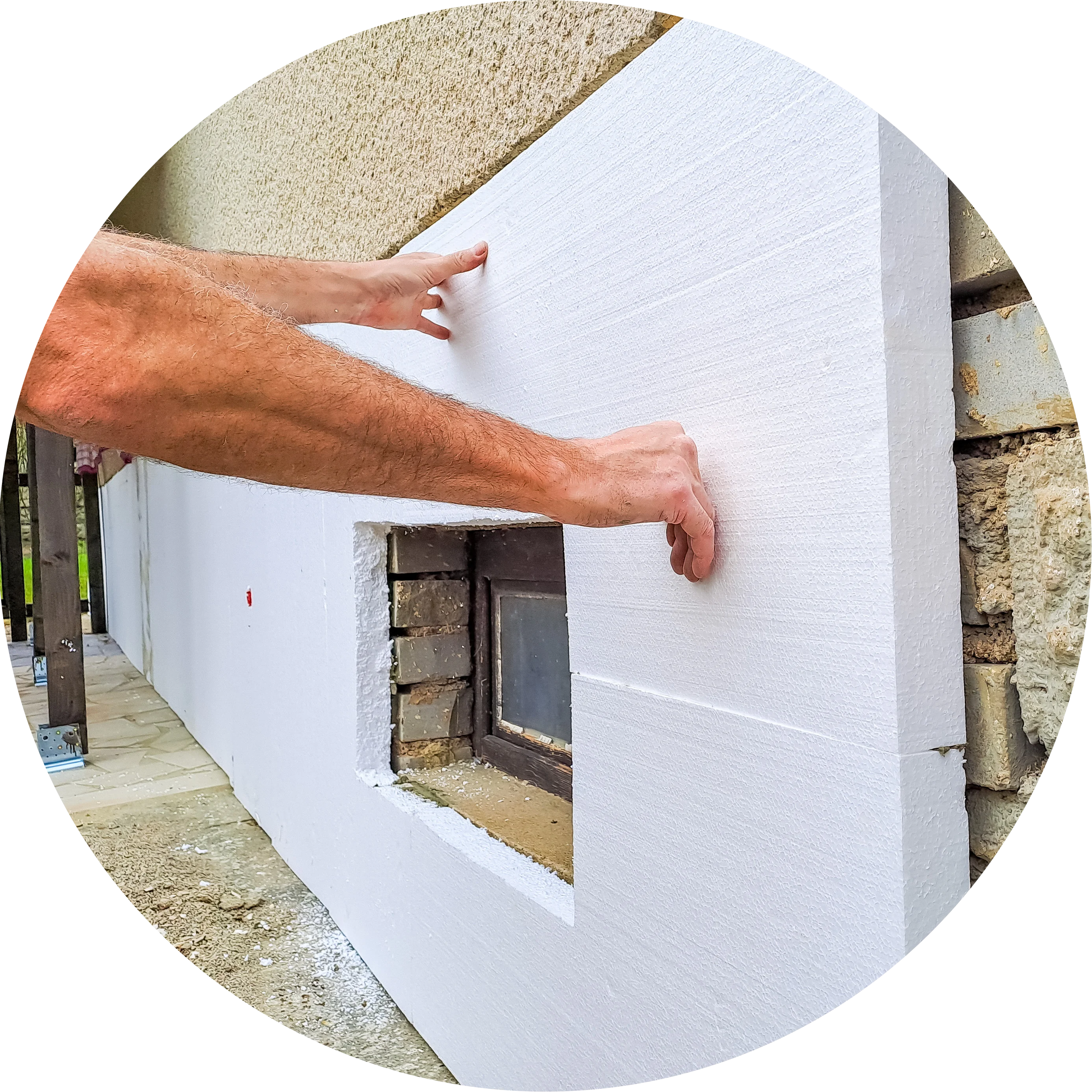
  • Rigid board: Any kind of board insulation makes insulating stud walls easy because they can be cut to the precise size. Rigid foam board insulation offers excellent soundproofing, too.
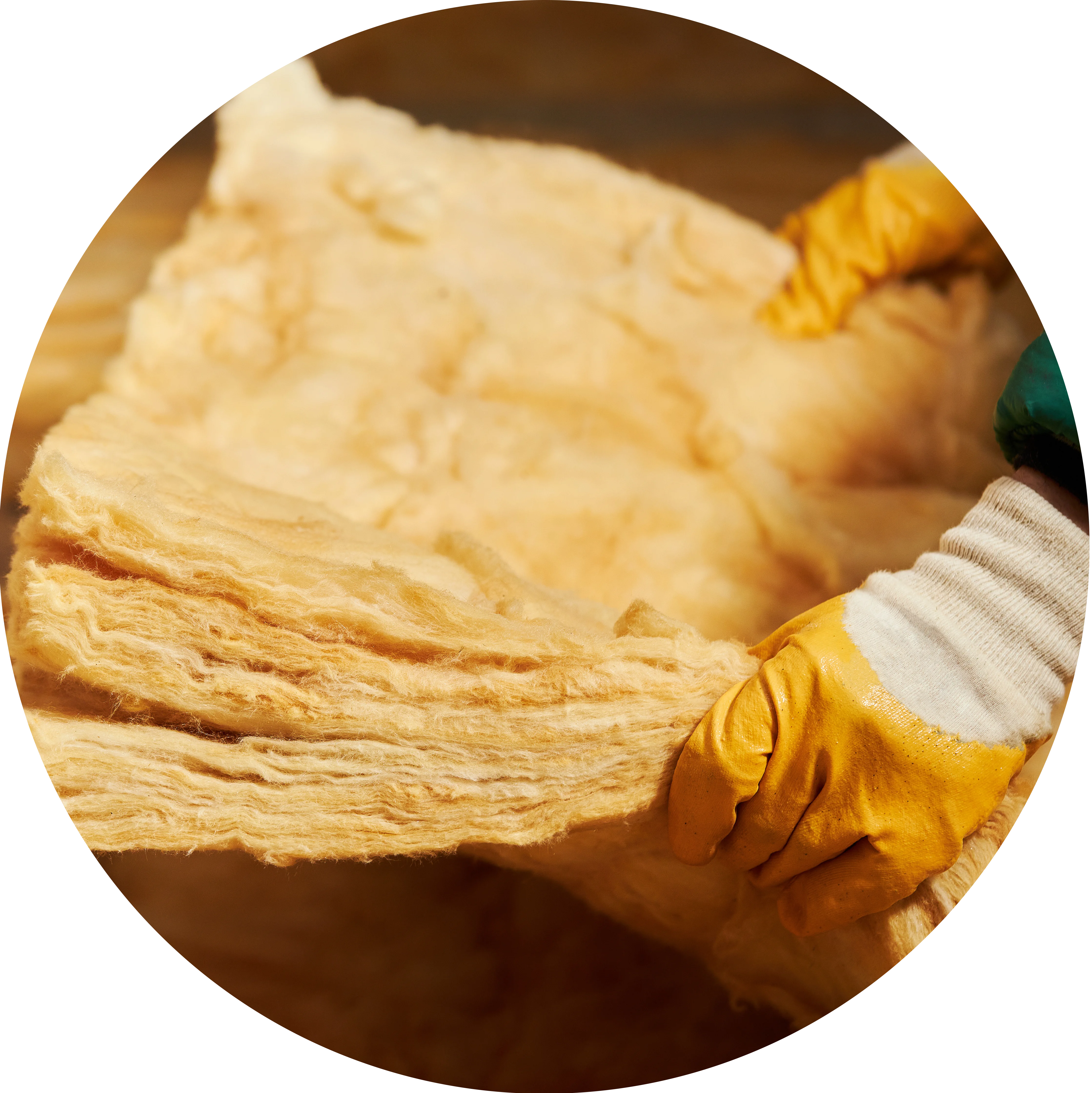
  • Fiberglass roll: Great for new stud walls, as long as you use the right amount for the size of the wall. Not sure what R-value or thickness is best for your stud wall? Call us for advice, and we can help you install it.

It’s important to consult with an experienced insulation specialist to help you determine which type of insulation and how much insulation will best work for your home and budget. Alpine Insulation can help.

As a part of the trusted Installed Building Products Family of Companies, we offer the resources, experience and knowledge that few can rival.

Contact us today to learn more about our services.

Insulating New Stud Walls

Are you adding a stud wall to your home as part of a renovation project? Alpine Insulation can help with the stud wall framing and insulation all at once. Putting up new drywall? We do that too.

We work with builders, contractors and homeowners throughout Sheboygan, Milwaukee, Madison and surrounding areas in Wisconsin and have over 40 years of experience.

Contact us online or call (920) 458-8188 today for more information.